TPMS Sensor Replacement Cost in Dayton, TN: A Driver's Guide
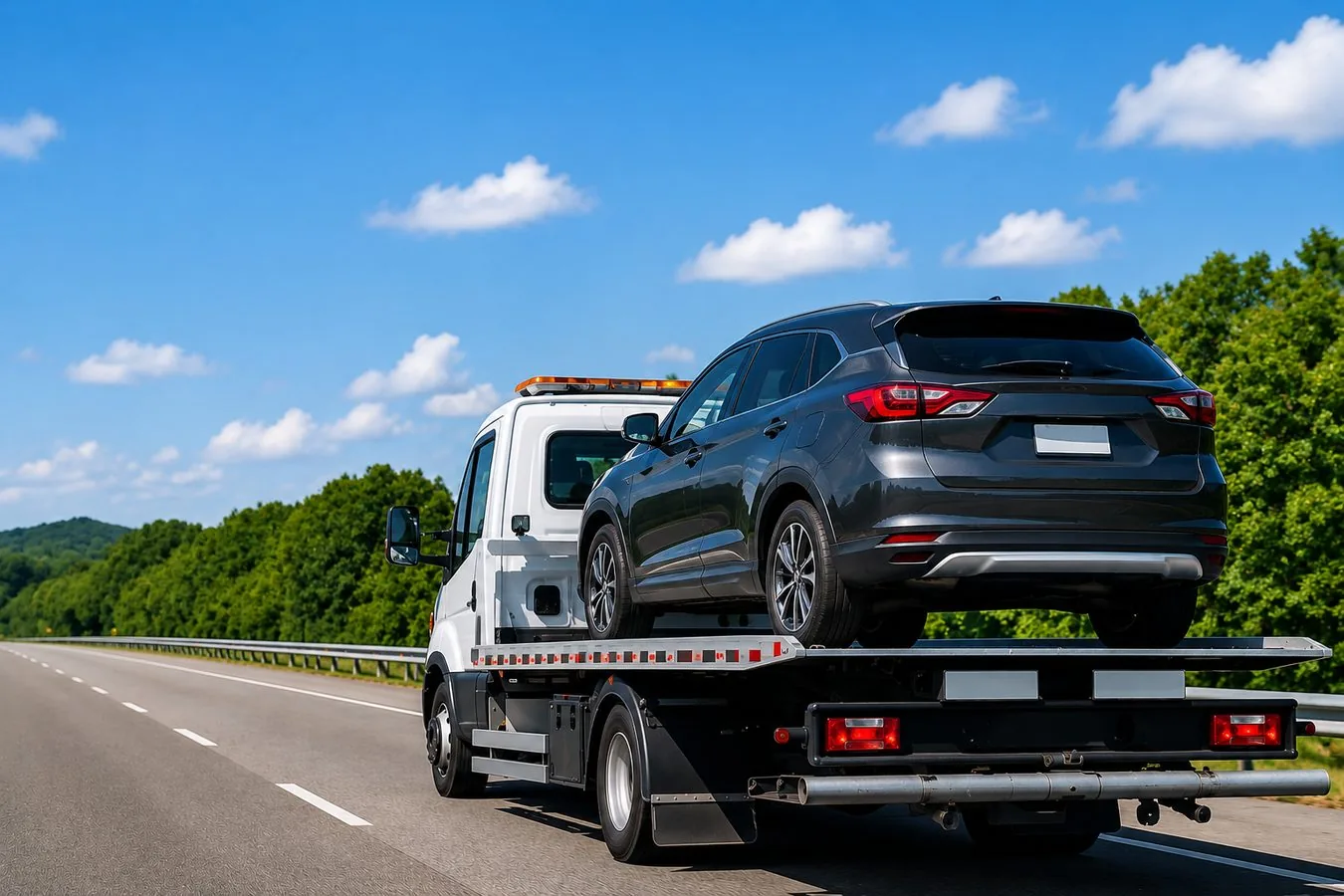
That little horseshoe-shaped light glowing on your dash is not just a nuisance. It is your tire pressure monitoring system, or TPMS, telling you something changed with your tires. If it has been staying on around Dayton lately, you are probably wondering two things: what is this going to cost me, and can I keep driving on US-27 like this? This guide breaks down real 2026 TPMS sensor replacement prices for Rhea County drivers, what makes the number go up or down, and the point where a tire warning turns into a call for roadside help or a flatbed tow.
We run wrecks and roadside calls across Dayton, Spring City, Rockwood, Etowah, and the rest of the 37321 area every day, and low-pressure warnings are one of the most common reasons people end up stranded on the shoulder. Knowing how the system works, and what a repair should actually cost, keeps you from overpaying and keeps you off the side of the highway.
What a TPMS Sensor Actually Does
Every car sold in the United States since the 2008 model year is required to have tire pressure monitoring, a rule that came out of the federal TREAD Act after a wave of tire-failure crashes. You can read the background straight from the NHTSA tire safety pages. Most vehicles use a direct system: a small battery-powered sensor sits inside each wheel, usually built into the valve stem, and it radios the actual pressure to your car's computer. When any tire drops roughly 25 percent below the recommended pressure, the warning light comes on.
Those sensors are not designed to last forever. The sealed lithium battery inside typically lasts five to ten years, and once it dies the sensor cannot be recharged. That is why a lot of Dayton drivers meet TPMS replacement for the first time around the same age their tires wear out. The sensor can also be cracked by a curb strike, corroded by our humid Tennessee summers and road salt, or damaged during a careless tire change.
TPMS Sensor Replacement Cost in Dayton (2026 Prices)
Here is what area drivers are generally paying in 2026. These are installed prices, meaning the part plus the labor to mount, seal, and reset the system. Your exact number depends on your vehicle and where you go, but this table gives you a realistic range to expect around Rhea County.
| Service | Typical Dayton Price (2026) |
|---|---|
| Single TPMS sensor (part only) | $25 – $75 |
| One sensor installed & reset | $60 – $110 |
| All four sensors installed | $200 – $400 |
| TPMS reset / relearn only | $0 – $40 |
| Sensor swap during a tire change | $20 – $50 per sensor (labor overlaps) |
The single biggest way to save money is timing. If a sensor is failing and you are already due for tires, replacing the sensors during the tire mounting means you only pay for the wheel to come off once. Trying to save fifteen dollars by keeping old sensors during a new tire install almost always backfires, because those aging batteries tend to quit within a year and you pay the labor all over again.
What Affects the Price
Two Dayton drivers can get very different quotes for what sounds like the same job. Here is what moves the number:
- Vehicle make and model. A basic sensor for a common Chevy or Ford truck is inexpensive. Luxury and European vehicles often use pricier sensors and sometimes need a dealer-level tool to program them.
- OEM versus aftermarket. Original-equipment sensors cost more but match your car perfectly. Programmable aftermarket sensors are cheaper and, when configured correctly, work just as well for most drivers.
- Programming and relearn. After a new sensor goes in, the car has to learn it. Some vehicles relearn automatically after a short drive; others need a scan tool, which adds a little labor.
- How many at once. The wheel-off labor overlaps, so four sensors installed together always cost less per sensor than four separate visits.
- Corrosion and broken stems. If a valve stem is rusted or snapped, the tech may need extra parts and time.
TPMS Warning Light On? What to Do on the Road
Not every TPMS light is an emergency, but you should never ignore it. Here is the smart sequence when it lights up while you are driving around Dayton or heading out on TN-30 or TN-60:
- Do not panic, but slow down. A solid light usually means one tire is low. A light that blinks and then stays on can mean a sensor fault.
- Find a safe place to check. A gas station in Dayton or a flat lot off Hwy 27 works. Avoid stopping on a curve or narrow shoulder.
- Look at and feel each tire. An obviously flat or fast-hissing tire is a stop-now situation. A slightly soft tire may just need air.
- Add air if you can. Bring all tires up to the pressure listed on the sticker inside your driver's door jamb, not the higher number on the tire sidewall.
- Recheck the light. If it goes off after a short drive, you had a slow leak. If it stays on with proper pressure, the sensor itself is likely the problem.
If the tire will not hold air, or you hear the flapping sound of a shredding tire, stop. Driving on a flat destroys the tire and can bend the wheel, turning a cheap fix into an expensive one.
When a Tire Problem Becomes a Tow
This is where a tire topic becomes a towing topic, because plenty of Rhea County drivers meet us over exactly this. A dead TPMS sensor by itself never strands you. But the low-pressure situations it warns about absolutely can. A full blowout at highway speed on US-27, a sidewall gash from a pothole, or a wheel damaged from driving on a flat all leave you needing more than air.
When that happens, our flatbed and wheel-lift trucks get your vehicle off the road without adding damage. A flatbed is the safest choice when a wheel or tire is destroyed, because your car rides fully supported instead of rolling on a bad corner. We are licensed and insured, DOT compliant, available 24/7, and we typically reach drivers in the Dayton area in 30 to 45 minutes. If you have a spare and just need it mounted roadside, our roadside assistance crew can often get you rolling again without a tow at all.
How to Keep TPMS Sensors Healthy Longer
A few simple habits stretch the life of your sensors and save you from surprise warnings:
- Check your pressures with a manual gauge once a month and before any long trip toward Chattanooga or Knoxville. The sensors are backup, not a substitute.
- Ask your tire shop to install new rubber valve seals and caps whenever tires are changed. Cheap parts, big payoff in corrosion resistance.
- Do not let a tire run very low for long. Chronic underinflation cooks the sensor and destroys fuel economy and tread life.
- When one sensor battery dies from age, expect the others to follow. Replacing all four at once is often the smarter spend.
Stranded with a Flat or Blowout in Dayton?
Do not risk your wheel driving on a bad tire. Our 24/7 roadside and flatbed crew is minutes away across Rhea County.
📞 Call (423) 830-6946 NowFrequently Asked Questions
Can I drive with a bad TPMS sensor in Dayton?
You can legally drive with a faulty TPMS sensor, but you lose the early warning for low pressure. Check all four tires with a manual gauge before every longer trip on US-27 or I-75, and replace the sensor soon so a slow leak does not turn into a blowout or a tow.
How much does TPMS sensor replacement cost in Dayton, TN?
In the Dayton and Rhea County area, most drivers pay about $60 to $110 per sensor installed in 2026, including the part, labor, and reset. High-end or luxury sensors can run higher. Replacing all four at once during a tire change usually lowers the per-sensor labor.
Have you ever had a TPMS light pop on right as you hit the highway near Dayton? What did you do next?