Cost of Towing a Car: Dayton, TN Rate Breakdown
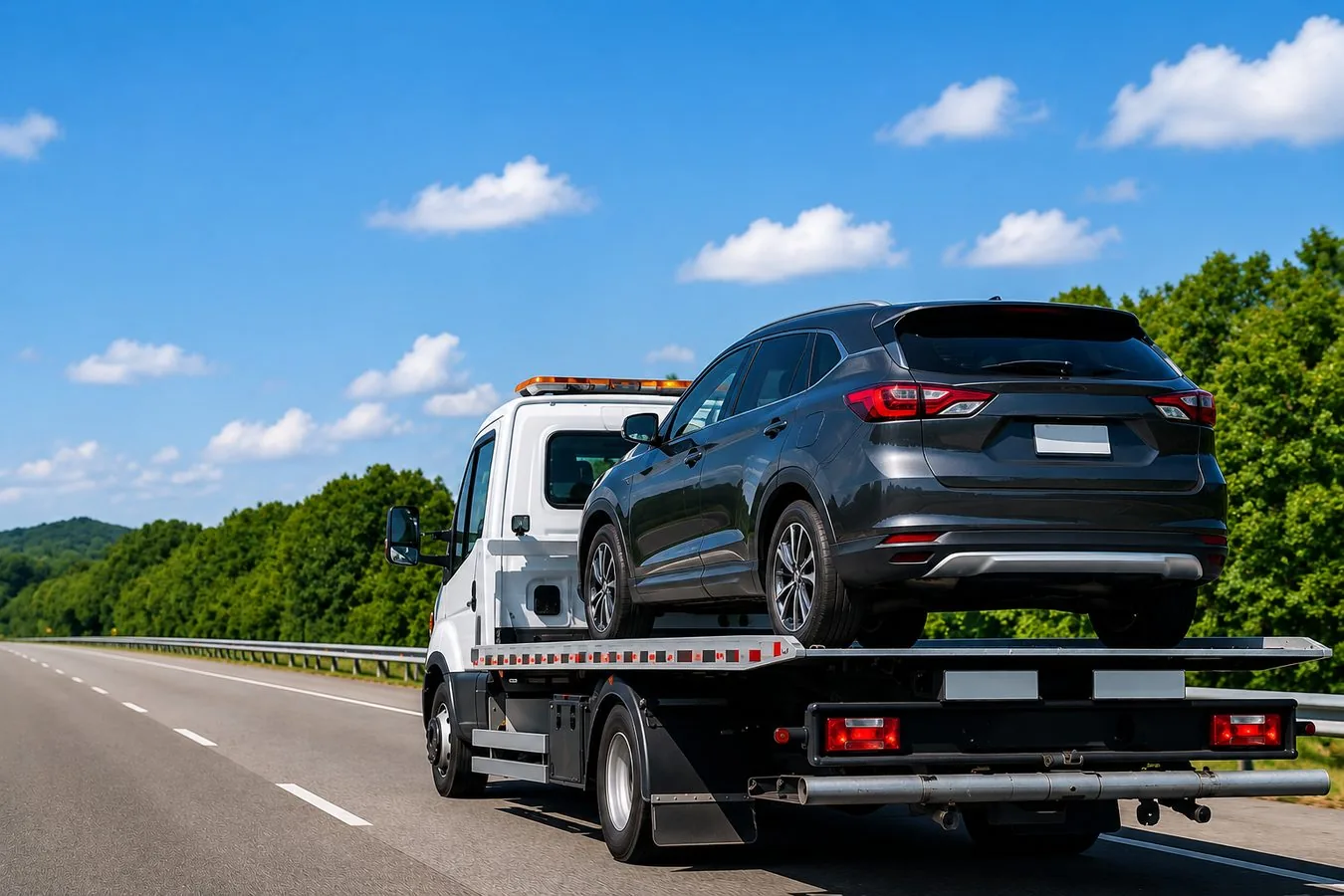
When the tow bill lands, most people just see one total and wonder how it got there. The truth is a towing invoice is made of a few plain line items, and once you can read them, the price stops feeling arbitrary. This guide takes a Dayton tow apart line by line, then walks through a realistic Rhea County example so you can see exactly where the money goes.
Dayton Towing itemizes and quotes before we roll, so here is what each part of the bill actually represents.
Line 1: The Base Hook Fee
Every tow starts here. The base, or hook, fee covers dispatch, the truck driving out to you, and the work of safely connecting your vehicle. It usually includes the first few miles. On a short in-town tow, this single line is often most of your total, which is why quick jobs near the Rhea County Courthouse feel like they cost a lot per mile; you are really paying for the truck to show up and load you safely.
Line 2: Loaded Mileage
After the included miles, each loaded mile, the distance your car rides on the truck, is billed at a set rate. This line is small on an in-town move and becomes the biggest number on a longer haul out to Spring City, Rockwood, or over toward Athens. If you are choosing a shop, the mileage line is the one you have the most control over.
Line 3: Situational Add-Ons
These only appear when the job calls for them, and a plain tow has none:
- After-hours or holiday: some providers add a premium for overnight or holiday calls.
- Winch-out or recovery: pulling a car off a US-27 shoulder or out of a ditch is extra labor.
- Special equipment: a flatbed for an all-wheel-drive car or a heavy vehicle can carry a higher rate.
Line 4: Storage (Only If It Sits)
This is the line that surprises people. If a car goes to an impound or storage yard, it accrues a daily storage fee until it is claimed. The way to avoid it is simple: have the car towed directly to a shop or your home instead of a lot. Choose the destination when you call and storage never enters the picture.
A Realistic Dayton Example
Picture a car that dies on TN-30 a few miles from a Dayton shop on a weekday afternoon. The bill is basically the base hook fee, which already covers those first few miles, and little or nothing else, because the distance is short, it is daytime, and the car goes straight to the shop with no storage. Now change one thing: the same breakdown at 1 a.m. out near Spring City, towed home. Now you add real loaded mileage and possibly an after-hours line, and the total climbs, not because anyone padded it, but because the miles and the hour genuinely cost more.
How to Keep Your Tow Bill Low
A few habits keep the number down. Ask for an all-in quote so you know the base, the per-mile, and any add-on before you agree. Pick the right destination, the shop that will actually fix the car, not the farthest one, and send it straight there to dodge storage. And call a local operator directly instead of a middleman, so you are not paying a markup on top of the real rate. Read the lines, ask the questions, and a Dayton tow becomes a predictable expense instead of a nasty surprise. For safe roadside habits while you wait, see nhtsa.gov.
Need a Clear Tow Quote in Dayton?
We break the price down before we move your car. Licensed, insured, DOT compliant towing across Rhea County, 24/7.
Call (423) 830-6946What is usually the biggest line on a Dayton tow bill?
For most tows it is either the base hook fee on a short in-town job or the mileage on a longer haul. On a quick tow across Dayton the base fee dominates; on a run out to Spring City or Rockwood the loaded miles do.
Can I avoid storage fees after a tow in Rhea County?
Yes, if you have the car towed straight to a shop or your home instead of an impound lot, there is no storage. Storage fees only stack up when a vehicle sits in a yard, so choosing the destination up front keeps the bill down.
Has a storage or after-hours line ever surprised you on a tow bill? What would you ask about next time?